LETTERS

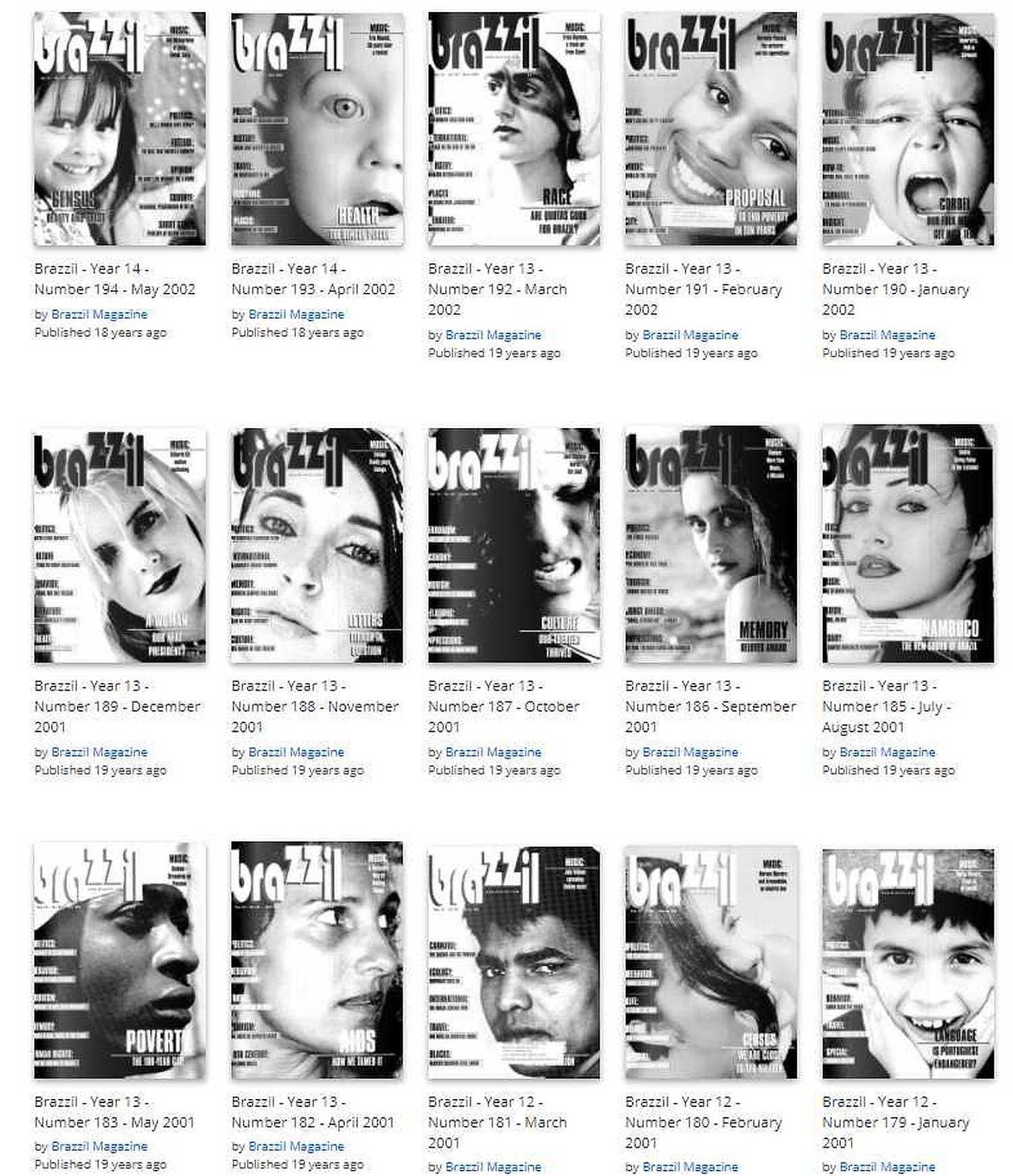
Brazzil Magazine covers

LETTERS

Brazil has become the world’s largest corridor for
cocaine. Sixty percent of the cocaine consumed in the United States comes
from the White Triangle, a region encompassing border areas in Brazil,
Colombia and Peru. With all the US effort to combat drug production in
Colombia, Brazil is increasing its role as a producer of the white powder.
Some Brazilian authorities fear that a new Medellín is growing right
now deep in the Brazilian Amazon jungle. For all the tragedies they bring,
drugs on the other hand also guarantee jobs to at least a quarter of a
million Brazilians. They are those working in the marijuana fields in the
Northeast and the dozens of thousands selling drugs in the streets of the
big cities. Crack, New York’s gift to the world, has also born fruit in
Brazil. Started in 1988 in the São Paulo suburbs, the crack habit
has gained status and is used now across the country in bigger and smaller
towns.
By Brazzil Magazine

You May Also Like

Brazzil Magazine covers

Transgenics Is Like the Plague and Brazil Caught It

On March 4, 2005, Brazil’s Law of Biosecurity, which legalizes the planting and commercialization ...

Brazzil Magazine covers

Politicians in Brazil Respond to Criticism by Burning Journalist’s House

Criticism by Brazilian journalist Jeso Carneiro to local politicians was answered with fire by ...

Brazzil Magazine covers

Petrobras Ordered to Shut Down Platform Despite Claims There’s No Safety Problem

Petrobras, Brazil’s government controlled oil and gas multinational, admitted Monday that minor conservation problems ...

Brazzil Magazine covers

Brazilian Journalist Hit by Home-Made Bomb. Political Motive Suspected

France-based international NGO dedicated to defend freedom of the press Reporters Without Borders (RSF) ...

Brazzil Magazine covers

Olympic Shames

Supreme humiliation: the Cameroon soccer team playing with only nine players against Brazil’s 11, ...

Brazzil Magazine covers

The Smartest Thing China Could Do Right Now: Invest US$ 200 Billion in Brazil – Part 2

The Brazilian and Chinese governments should sign a long-term agreement (35 to 50 years) ...