
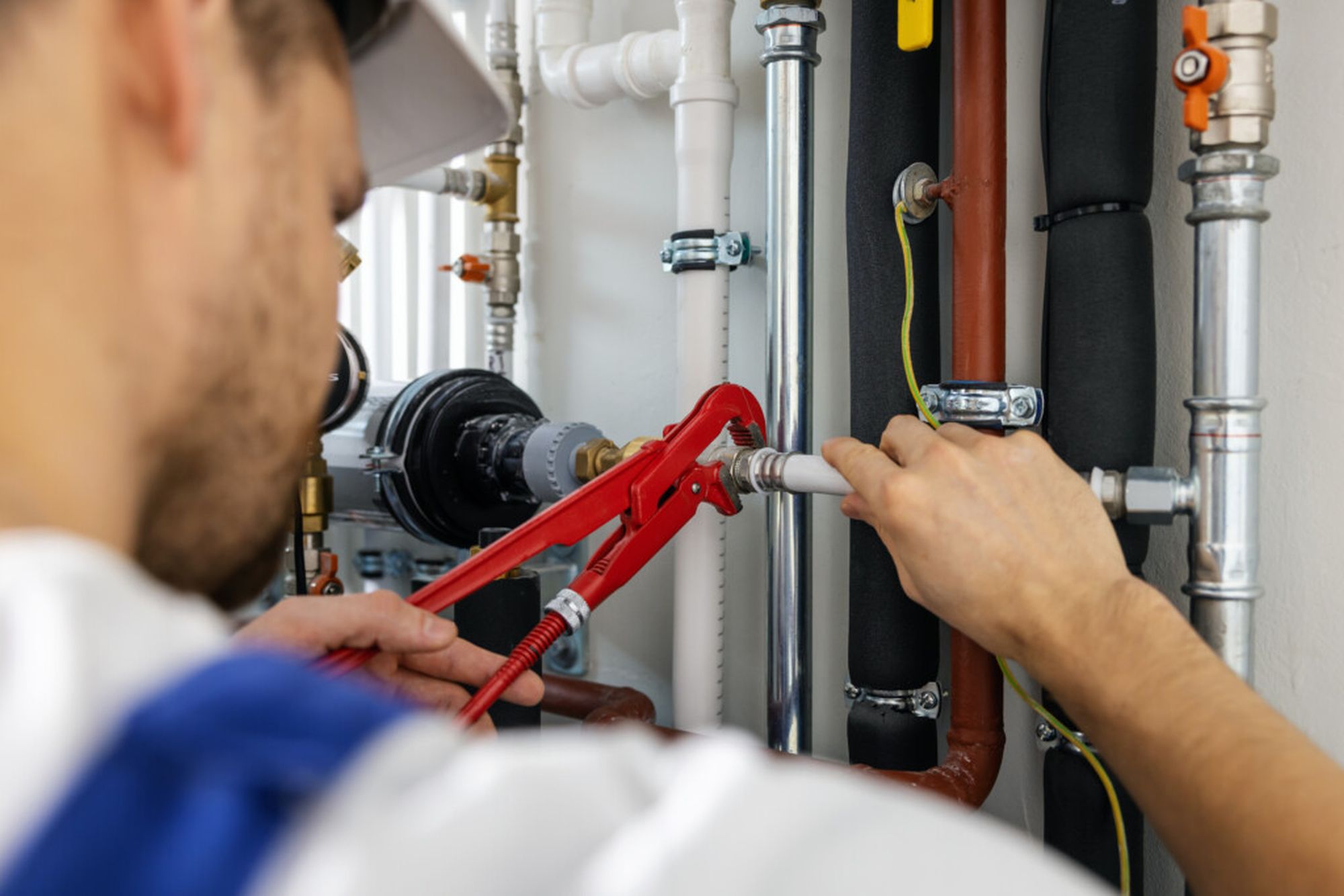
Repeated backflow violations can lead to costly repairs, regulatory fines, and threats to water safety in both homes and commercial properties. Many property owners find themselves repeatedly cited for backflow issues, often due to neglected inspections, aging parts, or improper installation of backflow prevention devices. The frustration of addressing the same violation notice year after year signals a deeper problem—one that rarely resolves with quick fixes or sporadic maintenance. By proactively scheduling a Full-Service Plumbing Company, property owners ensure that certified professionals regularly assess and maintain their backflow prevention system, shutting down the cycle of violations and protecting the property’s water supply from contamination.
Root Causes of Persistent Backflow Preventer Failures
Backflow preventers are mechanical assemblies installed on plumbing systems to block contaminated water from reversing into clean water lines. One common root cause of recurring backflow violations is the gradual buildup of mineral deposits and debris inside these devices, which restricts their function. An overlooked detail is that even small leaks or worn rubber seals can compromise backflow prevention, leaving the system vulnerable to failure during pressure changes or cross-connections.
Another frequent trigger of persistent violations is improper installation or using a device unsuitable for the site’s water pressure and usage patterns. Many property owners are unaware that municipal codes often specify exact backflow device types and installation methods for different property classes. Reviewing local plumbing codes for backflow devices makes it easier to identify which products and practices are required in your region.
Regular testing by certified professionals detects these failures before they become compliance issues. Without routine service, small faults accumulate, resulting in repeated citations and potential water contamination incidents.
Comprehensive Inspection Protocols for Commercial Plumbing Systems
Commercial properties face unique challenges due to the complexity and scale of their plumbing networks. A comprehensive inspection protocol involves more than visual checks; it includes pressure testing, valve operation verification, and documentation of inspection results. These steps help uncover issues such as hidden corrosion, misaligned valves, or weak points in the system that could trigger a backflow event.
Documented inspection routines also provide a clear maintenance history, which is crucial when demonstrating compliance during health department audits or municipal reviews. Following a detailed backflow inspection checklist ensures that all critical components are assessed, minimizing the risk of missing a hidden fault.
By choosing to schedule Full-Service Plumbing Company inspections, property managers set up a schedule that aligns with regulatory requirements, ensuring that no inspection deadline or required repair is overlooked. This approach creates a safety net against recurring violations and unplanned disruptions.
Long-Term Compliance Advantages of Scheduled Maintenance Agreements
Entering into a scheduled maintenance agreement with a Full-Service Plumbing Company offers more than convenience—it establishes an organized system for tracking maintenance, timely repairs, and mandated testing. For example, these agreements can include annual or semi-annual checks, calibration of test gauges, and immediate response to any detected defects.
This kind of partnership means property owners no longer scramble to arrange last-minute inspections when a violation notice arrives. Instead, all services are pre-planned, with reminders and compliance documentation handled by the provider. This reduces both the administrative burden and the risk of missing critical deadlines.
The predictable routine of scheduled maintenance not only keeps plumbing systems operating reliably, but also demonstrates to local authorities that the property is actively managed to meet water safety standards, reducing the likelihood of repeat violations.
Choosing Qualified Professionals for Permanent Backflow Prevention Solutions
Addressing recurring backflow violations requires more than DIY repairs or hiring general handymen. Certified backflow specialists have the training to identify underlying system flaws, select code-compliant devices, and apply proper installation techniques. They also stay informed about evolving health regulations and product updates, ensuring that every repair or upgrade meets the latest safety requirements.
When evaluating service providers, confirm their qualifications include state or local certification for backflow testing and installation. Reliable professionals supply detailed service records and test results, which are often required during property sales or municipal audits. Researching certifications for backflow testing professionals helps property owners choose the right experts.
By relying on specialized plumbing professionals for ongoing service, property owners invest in permanent backflow solutions instead of temporary fixes, breaking the cycle of repeated violations and protecting their water supply for the long term.
Conclusion
Setting up a recurring service plan with certified plumbing professionals is the most effective way to eliminate repeat backflow violations. Instead of reacting to problems as they arise, schedule Full-Service Plumbing Company maintenance to ensure every inspection, repair, and test is handled on time and to code. This proactive approach secures water safety and keeps properties in compliance year after year.