

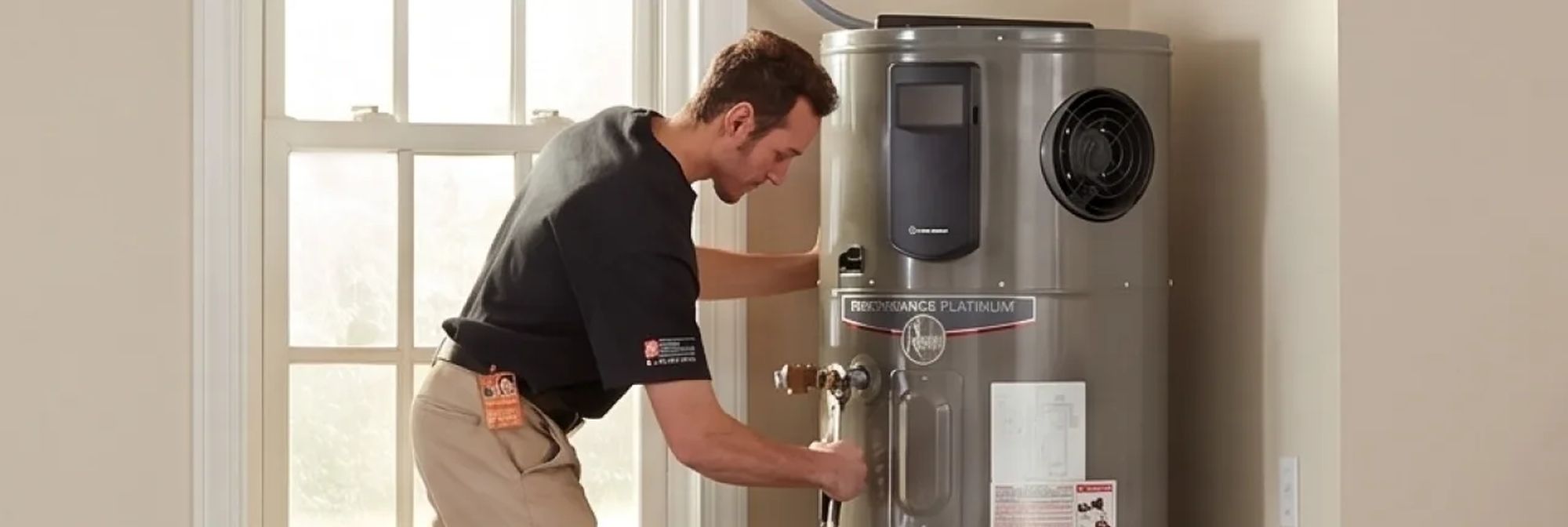
Imagine preparing for a new tank-style water heater, only to discover after installation that the pilot light keeps going out or a faint odor of gas lingers in your utility room. These are not just annoyances—they’re signals of potential safety risks tied to improper venting or an inadequate gas supply. Each time a plumber approaches a Tank Water Heater Replacement, they pause to inspect both the gas line and the vent system. This isn’t an extra step or a formality; it’s a direct response to how critical these connections are for safe, efficient operation. Gas leaks, poor combustion, or backdrafting can put your property and occupants at real risk. Verifying venting and gas supply before swapping out a water heater is not just about meeting regulations—it’s about preventing hazards and ensuring your investment works as it should from day one.
Gas Supply Checks Before Tank Water Heater Replacement
Before any old water heater is replaced, plumbers must confirm the gas supply meets the new unit’s demands. For example, if the new water heater has a higher BTU (British Thermal Unit) rating, the existing gas line may need to be upgraded to a larger diameter to ensure proper flow. This step is a core part of gas water heater replacement requirements, as undersized or corroded gas lines can lead to incomplete combustion or unreliable ignition.
During inspection, plumbers look for signs of leaks using specialized leak detection solutions. They also examine shutoff valves for ease of use and integrity, which is especially important if the system has not been serviced in years. According to gas line sizing guidelines, even a small mismatch between supply and appliance demand can cause performance issues or safety concerns.
Once the gas line passes inspection, the plumber can proceed with confidence, knowing the new water heater will receive an uninterrupted and safe fuel supply. This diligence supports both safety and long-term reliability for the homeowner.
Venting Inspections for Safe Water Heater Installation
Venting is responsible for carrying combustion gases safely outside the home. When replacing a tank water heater, plumbers check if the vent system is free from blockages, corrosion, or improper slope. For example, a plumber may find that an older vent pipe has developed rust holes or sagged, which could allow carbon monoxide to seep back into the living space.
They also check if the venting material and diameter are compatible with the new heater’s specifications. Some modern units require double-wall venting or a different pipe diameter than the previous model. Reviewing venting requirements for gas water heaters helps installers avoid code violations and protect occupants from toxic fumes.
This inspection is not only about matching the heater—it’s about ensuring a safe pathway for hazardous gases, which is a non-negotiable part of any responsible installation.
Code Compliance and Carbon Monoxide Prevention
Local building codes set specific standards for both gas supply and venting in residential water heater installations. For instance, codes may dictate the minimum vent pipe clearance from combustible materials or require a dedicated shutoff valve for the water heater. Plumbers verify these details before starting work to avoid costly mistakes and pass mandatory inspections.
One key reason for these codes is carbon monoxide prevention. Inadequate venting or faulty gas connections can cause carbon monoxide, a colorless and odorless gas, to accumulate indoors. Checking for backdrafting—when exhaust gases flow backward into the home—helps plumbers catch hidden problems that could endanger health and safety.
By confirming adherence to gas water heater replacement requirements, installers safeguard property owners from legal liabilities and health hazards. Every step, from checking vent clearances to testing gas pressure, is shaped by these regulations.
How Proper Verification Supports Reliable Water Heater Performance
Reliable hot water depends on more than just the heater itself; the supporting systems must be sound. For example, a plumber who checks for proper gas pressure and vent alignment before installing a new unit helps prevent future outages or error codes. A poorly vented heater might trigger safety shutoffs or operate inefficiently, leading to higher energy bills and reduced equipment lifespan.
Clients who schedule Tank Water Heater Replacement benefit from the installer’s attention to these foundational systems. This service includes not just swapping the appliance, but confirming that gas and venting conditions will allow the new heater to run reliably and safely in real-world use.
Ultimately, these pre-installation verifications reduce the likelihood of callbacks, emergency repairs, and warranty disputes. Sound preparation translates to a water heater that performs as expected throughout its service life.
Conclusion
If you’re planning to replace a tank-style water heater, ask for a thorough gas and vent inspection before installation begins. This step helps prevent hidden hazards, ensures code compliance, and supports long-term performance—making it a non-negotiable part of any responsible upgrade.