

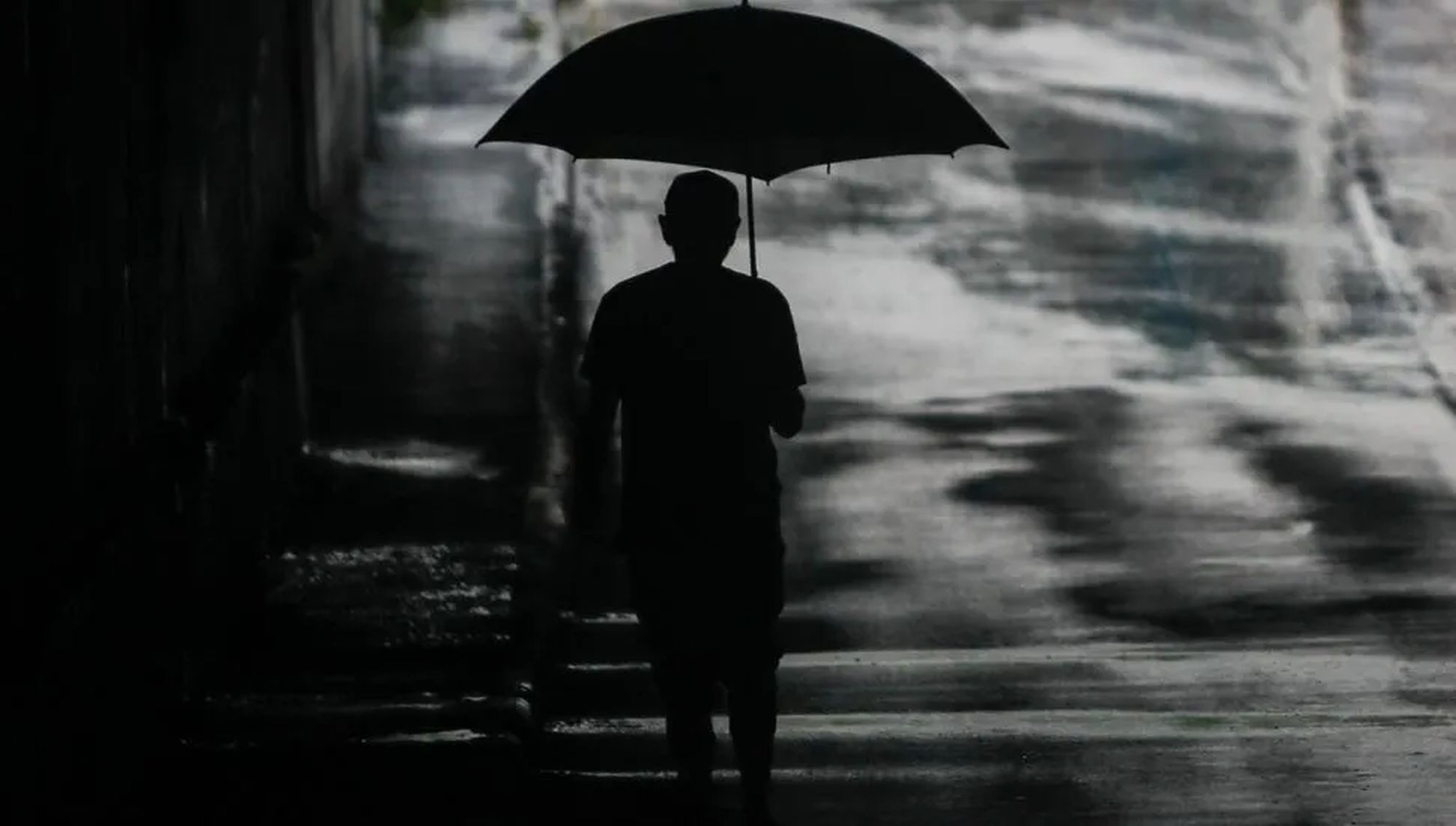
I was in a supermarket one afternoon when a torrential downpour erupted. Rain is common in Curitiba, a large city in the south of Brazil that gets less sun than Seattle, but this deluge was impressive for its powerful suddenness.
The supermarket where my wife and I were shopping had a tin roof, providing the shower with a weighty message. I had to raise my voice to be heard.
As if to prove a point, a few minutes later the power went out, eliciting a mass exclamation from the store’s patrons. Luckily, the front of the store was framed in large windows and it was the middle of the day, so we weren’t thrust into cavernous darkness.
Nevertheless, I froze. My hands creased with sweat clenching the shopping cart. I was imagining the pandemonium that accompanies blackouts.
I steeled myself for the worst, fearing for my wife who is shy of five feet. There would be chaos, shopping carts of epicurean delights darting for the exit.
With one arm I encircled her while holding the cart with the other, assuming the moment of silence following the initial shock was the calm before the storm. Nothing. Instead of bedlam, people continued shopping.
Brazilians are experts at ease. They expect unexpected turns in the road. They don’t raise their voices in public; their kids dash around restaurants without parental concern.
People learn patience from, among other things, waiting on lines. Darwin smiles down on Brazil — longevity favors the flexible. It’s a survival technique for Brazilians, who have low expectations.
Thanks to the endemic corruption that leaves the government perpetually broke, social services and infrastructure are lacking. There is no cross-country highway system.
All public schools operate on a split-session schedule to double the capacity of the buildings. In other words, people expect less from their government, and they get it.
Weak infrastructure isn’t the only pothole requiring patience. The population endured two decades of military dictatorship in the 1970s and 80s, which was followed by hyperinflation that hit 3,000 percent and continued for a decade. During that time, the government introduced seven currency changes.
In 1990, President Fernando Collor got the idea of freezing everyone’s savings to combat inflation. Collor was democratically elected after the military regime ended, so people tolerated their frozen funds.
As the expat community in Curitiba is minute, I’m guessing I was the only foreigner in the supermarket that day, which means I alone had never experienced a supermarket blackout.
I didn’t know the protocol, so I took cues from my Brazilian wife who showed no signs of panic and felt my arm around her as nothing more than everyday PDA.
Watching Brazilians go about their food shopping minus electricity, I pictured Americans without access to their bank accounts, or 100 percent inflation a month, or not finding peanut butter on the shelves.
It’s inevitable to feel powerless in a country crippled by Byzantine bureaucracy. People don’t expect events to start on time or chores like returning an item to a store to be simple. They’re so good at tolerating turbulence and finding an alternative route that there’s a term for it, the jeitinho Brasileiro (Brazilian way).
They are content in a way that’s impossible for Americans to imagine. To suggest to an American that he’s not in control of his life is Kafkaesque.
Brazilians have mastered the art of endurance, the tree bending in the storm. That’s how happiness is inbred here.
However, after spending two decades in Brazil, I’m still wondering what people are thinking. Is serenity assured by excessive PDA? If tree-huggers can save forests, why not people huggers?
I met a Brazilian family who had lived in the U.S. The husband was transferred for work, and they were eager to see the streets paved with gold and have their children attend public school all day.
However, they lamented the “distance between people.” They lived in a suburban neighborhood in California where, “People aren’t standing around on the sidewalks talking like we do — they’re all going somewhere in their cars.
“Americans are busy. If they’re not busy working, they’re busy relaxing.”
When my wife and I had finished our darkened supermarket shopping, we gingerly approached the check-out lane, anticipating a long wait. Instead, modern technology had triumphed and the digital cash registers were running off a back-up generator, which was also keeping the freezers operational.
The cashier wasn’t perturbed by the blackout. A second teenage girl bagged our groceries, and she warned us the elevators to the underground parking garage weren’t working.
She insisted on pushing our cart out of the store and around the corner to the ramp for the garage and then down to the car.
As we followed her, we passed the paused elevators, and I saw a clerk handing a cup of water to an outstretched arm from inside the elevator. The middle-aged woman stuck alone wasn’t in a panic, she was thirsty.
 Michael Rubin is an American who has been living in Brazil for twenty years. He’s a regular contributor to Brazzil.com and more of his work can be found at https://www.bmichaelrubin.com.