
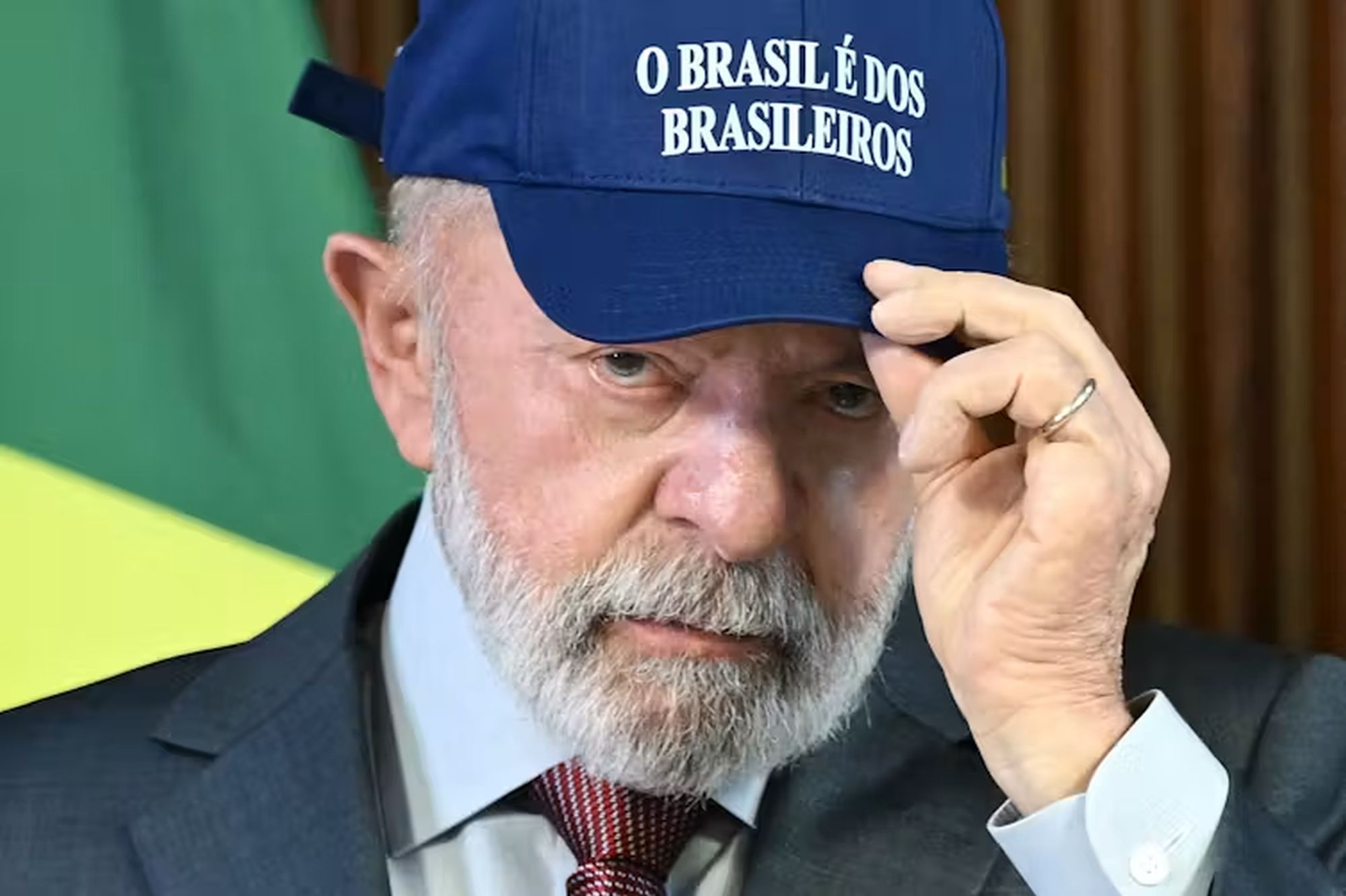
Brazilian President Luiz Inácio Lula da Silva enters the final stretch toward the October 4 elections with three open diplomatic fronts and a message centered on defending national sovereignty.
The most serious comes from Washington. This week, Donald Trump’s administration revoked the Brazilian ambassador’s visa, citing Brasília’s delay in granting approval to its own ambassadorial nominee.
Lula called the measure irresponsible and unthinkable between two countries with more than two centuries of diplomatic relations, and said Brazil wants to be treated with respect. Itamaraty described it as part of a deliberate escalation and attributed to Washington an interest in interfering in the election.
Days earlier, Brazil had denied visas to two State Department envoys. The Brazilian government says they intended to join a disinformation strategy aimed at questioning the reliability of the electoral system.
Washington says they sought to visit the country ahead of the vote. Neither account has been substantiated. Brasília also fears a large-scale false news campaign on social media, compounded by the use of artificial intelligence.
The episode adds to the trade dispute. The United States imposed 25% tariffs on Brazilian goods citing unfair competition, among other grounds, the development of the Pix payment system, which is cutting into US companies’ earnings, and Brazilian efforts to regulate large technology firms.
A further 12.5% duty over alleged forced labor followed, which the Brazilian government also rejected. A year ago, Washington imposed 50% tariffs during the trial of Jair Bolsonaro, later sentenced to 27 years for attempting a coup, along with sanctions on the judge who led the proceedings.
Lula links that pressure to the former president’s family. He refers to its members as traitors to the homeland for putting personal interests, in his view, ahead of the country’s economy. Former lawmaker Eduardo Bolsonaro lives in the United States and has spent more than a year pressing for sanctions against Brazil.
“US interference ends up benefiting Lula, especially if the government manages to pin on Flávio Bolsonaro the responsibility he bore in that process,” said Leonardo Paz Neves, a researcher at the Getúlio Vargas Foundation. That is the analyst’s reading; the most recent Datafolha poll gave Lula a five-point lead over the senator in a potential runoff.
The second front is Argentina. After Javier Milei’s insults in São Paulo, Brazil downgraded relations to chargé d’affaires level and postponed its ambassador’s return.
The third, less visible, is Paraguay. Asunción summoned Brazilian Ambassador José Antonio Marcondes de Carvalho and handed him a protest note over Lula’s remarks on the War of the Triple Alliance.
Paraguay’s foreign minister said the two presidents spoke by phone; CNN Brasil reported that Brazilian government figures deny any such conversation. The 1864-1870 conflict had devastating demographic and economic consequences for Paraguay, though estimates of its scale vary widely.
Lula has increased his references to defense in recent days, arguing that the armed forces must be prepared so that no one interferes in the country.
Milei’s insults
Brazilian Foreign Minister Mauro Vieira said that the downgrading of diplomatic relations with Argentina to chargé d’affaires level will remain in place until Argentine President Javier Milei stops what he called repeated insults and attacks against Brazilian president Luiz Inácio Lula da Silva.
“There were four consecutive statements in the space of a week in which the president of Argentina, in a very crude and very aggressive manner, criticized Brazil, its institutions and the person of President Lula in an unheard-of way,” Vieira told Radio Perfil.
He added that Brasília had sought explanations and that, until they were satisfactory, it would keep its ambassador, Julio Glinternick Bitelli, away from Buenos Aires.
The minister recalled that bilateral relations have been at their best since 1985 and said Lula is indifferent to the political stripe of any given government, because ideology is secondary to courtesy and respect.
Argentina’s government ruled out an apology. “This is a unilateral decision by Brazil that we regret,” Foreign Minister Pablo Quirno told a news conference. “There have been statements on both sides that reflect political and ideological differences. Argentina chose not to carry them into the diplomatic arena,” he added, saying another path exists to preserve the relationship.
Asked about a possible apology, Quirno said Lula and his government had directed insults at Milei that went unanswered, without specifying what he meant. The background is the Argentine president’s accusation that Brazil’s Workers’ Party provided financial and logistical support to Sergio Massa in the 2023 campaign.
Brazil’s foreign ministry has dismissed that claim as fantasy and Massa’s associates have denied it. Quirno did cite one specific instance: Lula’s visit to Cristina Fernández de Kirchner during her house arrest, which drew no complaint of interference from Buenos Aires.
The leader of the La Libertad Avanza bloc in the Senate, Patricia Bullrich, called Brazil’s reaction excessive and listed instances of Lula’s involvement in regional politics, including his backing of Massa in August 2023 and of the governments of Luis Arce, Gabriel Boric and Gustavo Petro. She argued that different standards are applied depending on who intervenes, while acknowledging that escalating the language is unhelpful.
The status of Argentina’s ambassador in Brasília, Daniel Raimondi, remains undefined. Itamaraty sources told EFE the measure does not amount to his expulsion, though Brazil will not deal directly with him while the attacks continue.
According to La Nación, Argentina’s statement indicates Buenos Aires will not order his return; El País reported, citing local media, that he would travel home on leave.
Lula called in an interview with the Meteoro Brasil outlet, for setting aside ideological differences to strengthen Mercosur. He did not mention Milei and said relations between states respond to state interests.
Quirno also confirmed that the government is organizing a summit of right-wing presidents in Buenos Aires this year, and said the region is shifting ideological direction.
Mercopress