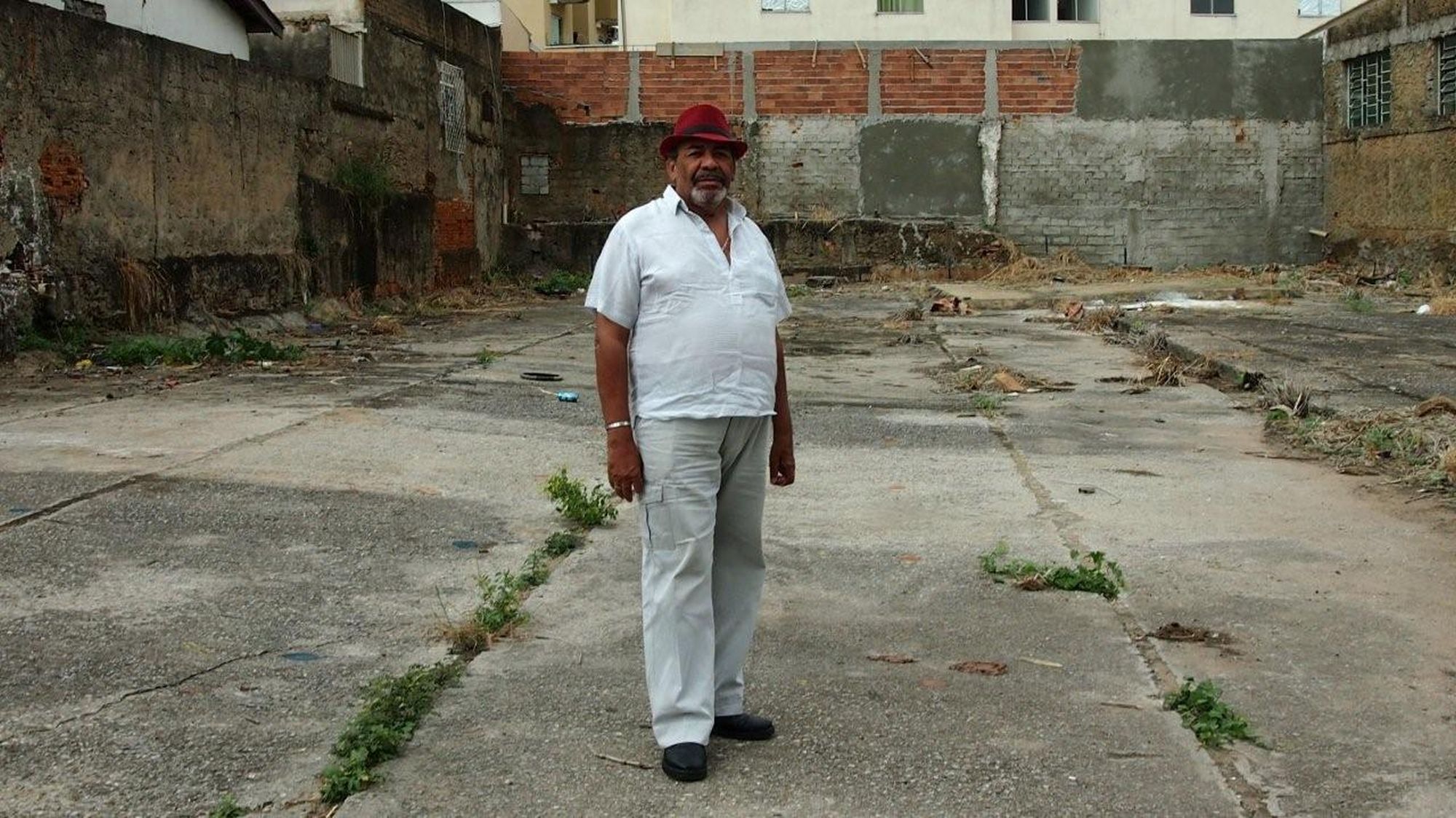


Brazilian cinema lost one of its greatest figures. Filmmaker, photographer, journalist, and producer Luiz Carlos Barreto – known as “Barretão” – died at age 98, having shaped one of the most significant careers in the history of Brazilian cinema.
Over the course of more than six decades, he played a direct role in the development of Brazil’s Cinema Novo movement and the consolidation of the country’s film industry, creating more than a hundred productions that left a lasting mark on generations.
Barreto had been hospitalized since July 20 at Copa Star Hospital in Copacabana, Rio de Janeiro, to treat a lung infection resulting from pneumonia. His funeral was held at the Palácio da Cidade, and the cremation took place at the Memorial do Caju.
Alongside his wife, Lucy Barreto, to whom he had been married since 1954, he formed the longest-lasting and most influential couple in Brazilian film production. Together, they founded LC Barreto, a production company that is celebrating its 63rd anniversary and has become a benchmark for films that have helped put Brazilian cinema on the map both domestically and internationally.
The company produced classics such as Dona Flor and Her Two Husbands, Bye Bye Brazil, Memoirs of Prison, The Quartet, and Four Days in September, the latter two of which were nominated for the Academy Award for Best International Feature Film.
The history of the Barreto family is intertwined with the history of Brazilian cinema itself. The couple’s three children – Bruno Barreto, Fábio Barreto, and Paula Barreto – pursued careers in film and television and took on important roles at the production company. Their passion for cinema was born right there in the family home, where one of the country’s first moviolas was installed.
It was there that seminal films of Cinema Novo were edited, including Barren Lives by Nelson Pereira dos Santos and The Guns by Ruy Guerra. The family’s history was also marked by tragedy – in 2009, director Fábio Barreto suffered a serious car accident that left him in a coma for ten years, until his death in 2019.
Long before becoming one of Brazil’s leading producers, Luiz Carlos Barreto built a career as a photojournalist for O Cruzeiro magazine, where he worked as a photojournalist and correspondent in Europe. He covered historic events and photographed personalities such as Frank Sinatra, Fidel Castro, and Marilyn Monroe.
His first encounter with filmmaking took place during his childhood, when he witnessed Orson Welles’s visit to Ceará during the filming of a documentary about jangadeiros. Later, a meeting with Glauber Rocha during the filming of The Turning Wind would permanently change his destiny, bringing him closer to the Cinema Novo movement.
As a cinematographer, Barretão helped shape the visual identity of two masterpieces of Brazilian cinema – Barren Lives and Entranced Earth. Later, as a producer, he became one of the leading figures in the Brazilian film industry, expanding the country’s production capacity and bringing Brazilian films to the world’s major film festivals.
In filmmaker Carla Camurati’s view, Barreto was the “great fighter, the best, the great soldier of Brazilian cinema.”
“We have lost a great producer, who passed away at the age of 98 and leaves us a legacy of 80 years dedicated to Brazilian cinema on many fronts. He defended cinema politically and fought for it when he made Black God, White Devil with Glauber [Rocha]. He is a vital figure for Brazilian cinema. That is the truth.”
In an official statement, the Brazilian Ministry of Culture stated that Luiz Carlos Barreto was “one of the most important figures in the history of Brazilian cinema,” highlighting his work as a photographer, journalist, producer, and one of the leading figures of Cinema Novo.
The ministry also noted that, alongside Lucy Barreto, he helped project Brazilian cinema onto the international stage and helped establish a globally recognized cultural industry.
The death of Luiz Carlos Barreto marks the end of one of the most significant chapters in Brazilian culture, but leaves behind a lasting legacy.
ABr