

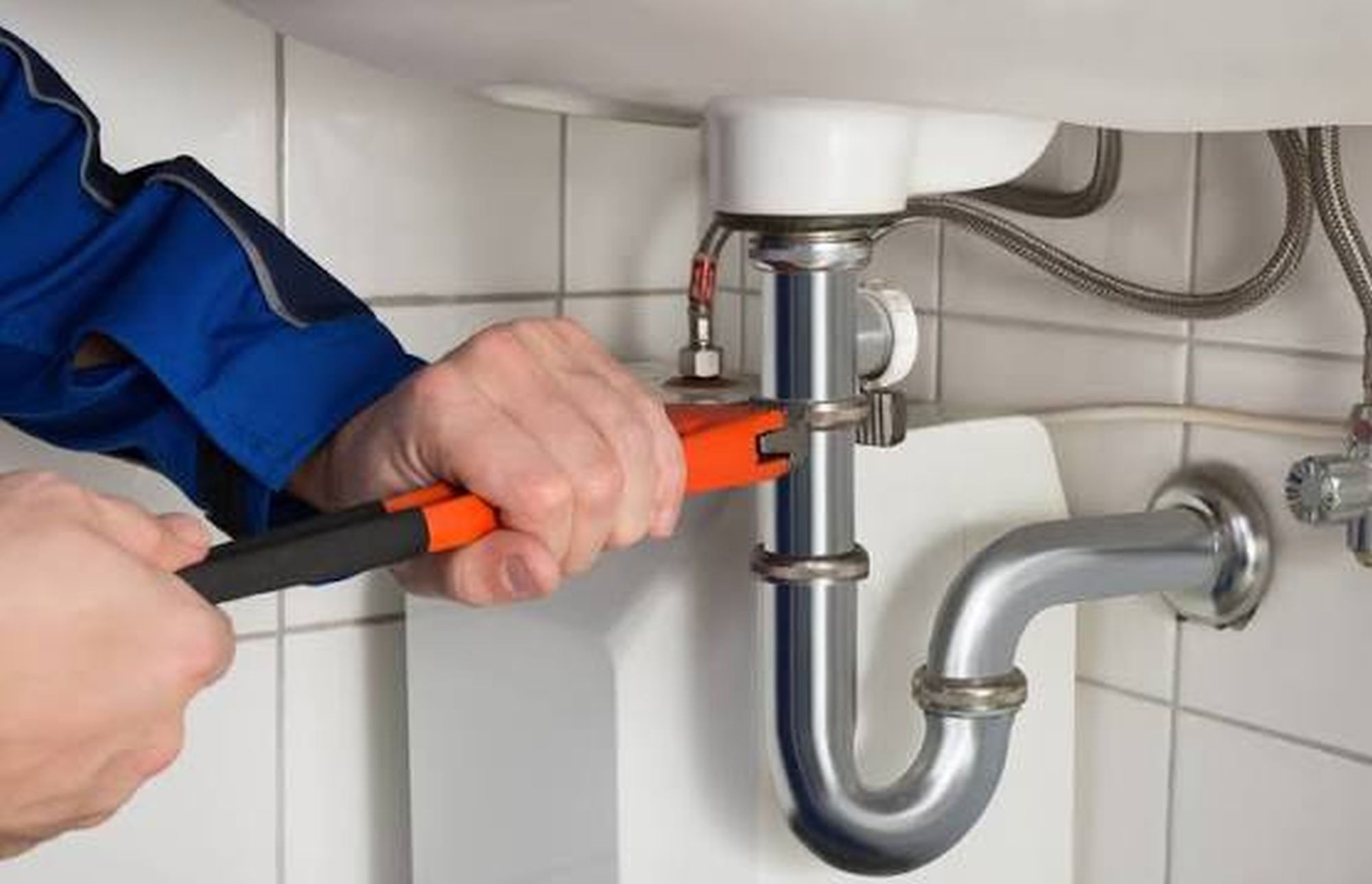
Picture a homeowner remodeling a bathroom only to discover that the originally specified faucet is no longer available. The distributor is asked to recommend an alternative from a different manufacturer, but the new product must fit the existing sink, match the finish, and meet plumbing codes. Without a reliable reference, the risk of mismatched finishes or incompatible fittings rises, causing delays and extra costs. This situation is why plumbing distributors prioritize standardized brand guides: to ensure that when a faucet, toilet, or shower valve needs substituting, the alternative fits seamlessly—no guesswork, no surprises, and no costly rework. Standardizing these guides is not just a convenience; it’s a way to maintain project timelines, satisfy clients, and reduce costly errors throughout home improvement projects.
Why Plumbing Distributors Standardize Brand Guides for Fixture Substitutions
When a distributor faces a backordered or discontinued fixture, they need to quickly provide an equivalent product from another brand. The process depends on having accurate references that outline which parts and models are interchangeable. For example, replacing a Moen shower cartridge with a compatible model from Delta requires clear information about dimensions, thread types, and pressure ratings. Standardizing these references across all brands means staff can access up-to-date, apples-to-apples comparisons for every fixture type. This approach reduces confusion during urgent substitutions and ensures that recommendations meet both functional and aesthetic expectations. As explained in universal plumbing fixture standards, consistent documentation helps align different manufacturers’ specifications, making it possible to substitute with confidence.
Core Elements of Cross-Brand Plumbing Fixture Compatibility
Compatibility between plumbing fixtures from different brands hinges on several technical details. Thread size, mounting hole spacing, and valve body dimensions are just a few examples where even minor differences can prevent a successful swap. Standardized Plumbing Brand Guides for distributors address these factors by mapping out which models align in terms of performance and installation requirements. For instance, a guide might specify that a particular toilet fill valve from Brand A matches the height and inlet size of Brand B’s equivalent. Such detail is essential for distributors, as it prevents mismatches that would otherwise require costly returns or re-plumbing work. Manufacturers often publish compatibility charts for plumbing fixtures to support this process, but a unified guide compiles the most critical data into a single, distributor-friendly resource.
How Standardized Plumbing Brand Guides Improve Product Matching
Standardized references make it significantly easier to match products across manufacturers when substitutions are necessary. For example, a distributor may need to recommend a new kitchen faucet with the same hole configuration and finish as the original, even if it’s from a different supplier. By referencing Plumbing Brand Guides, staff can quickly search for models with matching specs such as spout reach, finish options, and handle type. These resources centralize comparison data, allowing distributors to propose suitable replacements that installers can trust to fit and function as expected. When using these comprehensive guides, a distributor can confidently suggest alternatives, knowing the product data has been vetted for cross-brand compatibility. This reduces the chance of project delays and builds trust with contractors and homeowners alike. The guides themselves serve as a practical, time-saving reference for anyone tasked with finding the right fit.
Reducing Installation Errors Through Reliable Fixture Substitutions
Each time a fixture from one brand is swapped for another, there is potential for installation errors if compatibility details are overlooked. For example, installing a replacement shower valve with an incompatible rough-in depth or diverter type can result in leaks or require extensive wall repairs. Standardized Plumbing Brand Guides for distributors help mitigate these risks by providing clear, side-by-side product specifications and installation notes. This proactive approach allows installers to verify that substitute fixtures meet the necessary requirements before the work begins. By minimizing surprises, these resources reduce callbacks, warranty claims, and dissatisfied homeowners—benefits that protect both the distributor’s reputation and the contractor’s bottom line.
Conclusion
Distributors who rely on standardized cross-brand fixture guides empower their teams to make informed, accurate substitutions—saving time, money, and frustration. When evaluating a distributor, ask how their resources address fixture compatibility and support cross-brand product matching before committing to a major plumbing project.